Thank you.
Your message is on its way to our team. We will be in touch soon.
Preview only: nothing was sent

Tips for managing personal expenses, allocating income, and building savings for your financial future.
Welcome to this edition of our Virtus newsletter! Managing personal expenses effectively is crucial to achieving financial stability and reaching your financial goals.
The key piece of this is the percentage of your income that you are saving towards your financial future. Here are some tips to help you get started:
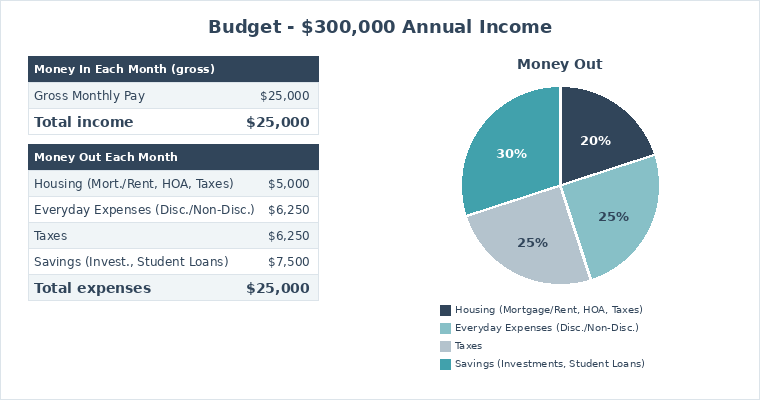
It’s important to divide your spending into specific categories to ensure all your essential needs are covered and you’re saving for the future. Here’s a simple way to allocate your income:
Establish both short-term and long-term financial goals. Short-term goals might include saving for a vacation or paying off a small debt, while long-term goals could involve saving for retirement or buying a home.
The key is to “pay yourself first”. Using the percentages above, take 30% of your gross pay and put it towards the savings goal (emergency savings, investments, student loans, etc). Utilize a separate savings account or brokerage account with a money market fund to keep these funds separate from the account you use for your everyday expenses.
This ensures you are living day to day with what you have left (everyday expenses, taxes, mortgage/rent).
Differentiating between essential expenses (needs) and non-essential expenses (wants) is key to effective money management. When monitoring your monthly expenses, it’s important to understand the difference between non-discretionary and discretionary spending:
These are essential expenses that are necessary for your basic needs and cannot be easily altered or eliminated. Examples include:
These are non-essential expenses that you have more control over and can adjust based on your financial goals and priorities. Examples include:
As high-income earners, it’s crucial to hold the reins back from going over your discretionary spending budget. While it’s tempting to indulge in luxuries, maintaining a balance will help you achieve long-term financial stability.
If you continuously exceed your discretionary allotment, you may inadvertently elevate your standard of living. This higher standard of living could lead to a greater income need in retirement, which may not be attainable.
It might be helpful to use software to monitor how much money is being spent on these four categories, as well as how much is being spent towards discretionary and non-discretionary spending. Many budgeting apps can provide detailed insights and help you stay on track.
Budgeting apps we use and like are Simplifi by Quicken and YNAB. Monarch is a newcomer that has had really good reviews but we haven’t tested it out yet.
Life is unpredictable, and having an emergency fund can provide a financial safety net. Aim to save at least three to six months’ worth of living expenses in a separate, easily accessible account.
As your income grows this might change but a good starting point is usually $40,000. A high yield savings account is an effective tool, as it typically pays well above the national average savings rate (rates change over time).
What you can save now vs different points in the future will vary. You might have a young family or have recently started a practice.
Don’t get down on yourself as this is a snapshot in time and your savings rate will reflect this. A financial plan will ensure you have the confidence that the decisions you are making now don’t have a detrimental impact on your financial future.